FDA Introduces New Guidelines to Redefine 'Healthy' Food Labels
December 25, 2024 - 14:25
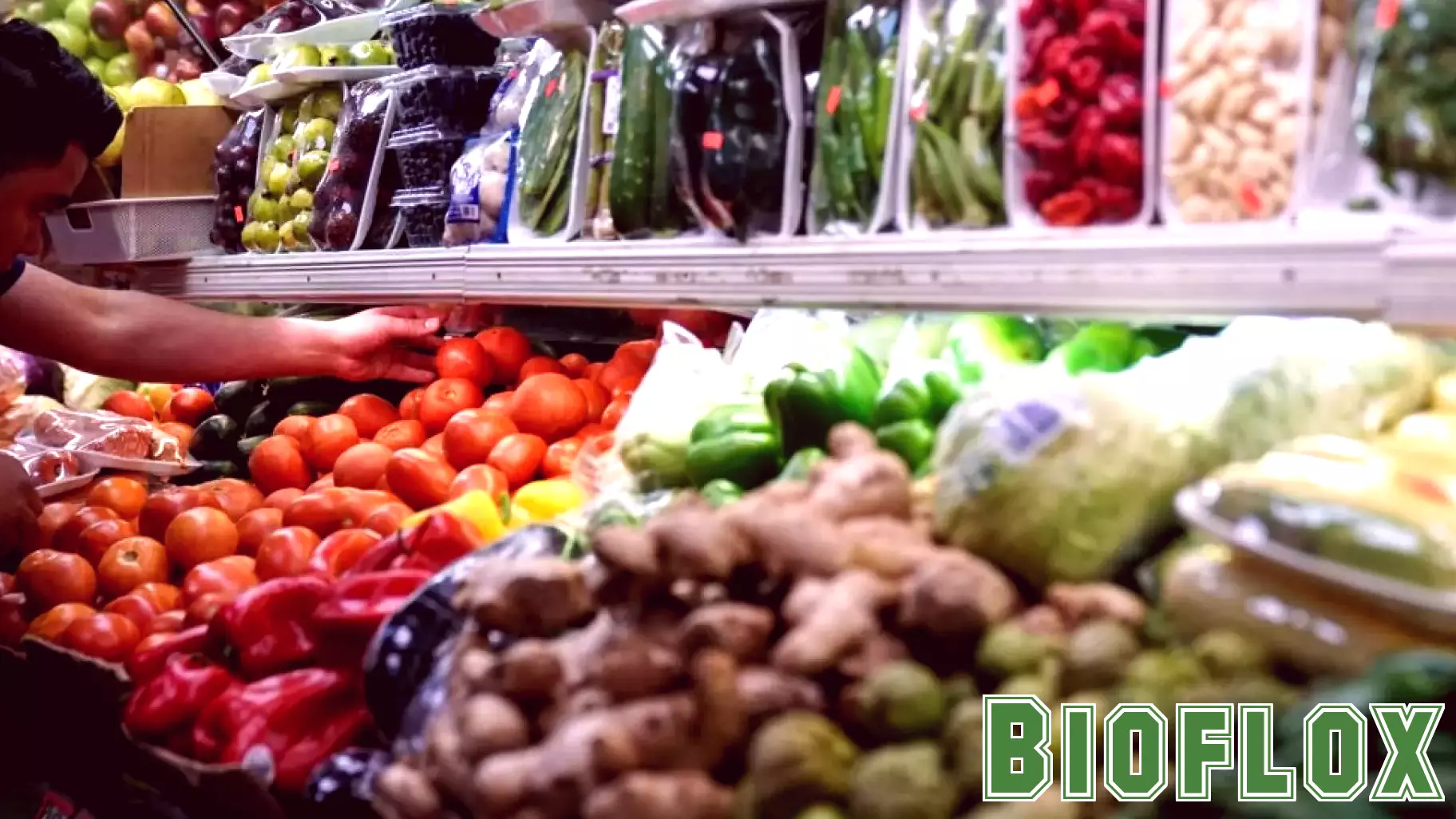
The Food and Drug Administration (FDA) has announced a significant update to food labeling regulations, marking the first major change in thirty years. This initiative aims to provide consumers with clearer information to make healthier dietary choices while shopping. The new rules are designed to redefine what is considered "healthy," reflecting the latest nutritional science and dietary recommendations.
Experts, including Lindsey Smith Taillie, a nutrition epidemiologist from the University of North Carolina’s Gillings School of Global Public Health, emphasize the importance of these changes. By updating the criteria for food labels, the FDA hopes to encourage manufacturers to produce healthier options and promote better eating habits among consumers.
The updated guidelines will require food products to meet specific nutritional standards to carry the "healthy" label, potentially impacting a wide range of items on grocery store shelves. This move is seen as a crucial step towards combating rising health issues related to diet, such as obesity and heart disease, ultimately benefiting public health.
MORE NEWS

October 27, 2026 - 03:15
Health Inspectors Shut Down Dozens of Los Angeles County EateriesDozens of restaurants and markets across Los Angeles County were forced to temporarily close their doors this month after inspectors discovered health code violations. The violations ranged from...

October 26, 2026 - 05:12
Merit Health River Region Hosts Annual Trunk or Treat EventMerit Health River Region has announced its annual Trunk or Treat celebration, set to take place on Thursday, October 29. The community event invites families and children to dress up in their...

October 25, 2026 - 04:50
Shelby Residents to Decide on Tax Renewals for Health and Parks DepartmentsShelby voters will see two tax renewal measures on the Nov. 3 ballot, both of which city officials say are necessary to keep essential services running. The first renewal supports the health...

October 24, 2026 - 02:57
10/23/26 – HAWAIʻI CLIMATE COMMISSION LAUNCHING WORKSHOPS TO BOOST SOIL HEALTH AND AGRICULTURAL RESILIENCEHonolulu - The state Climate Change Mitigation and Adaptation Commission, part of the Department of Land and Natural Resources, is preparing a series of workshops focused on soil health and...